

Attracting attention with your artisan business website
Ready to craft the perfect website for your artisan business? Whether you’re an experienced web designer branching out into new territory or a non-coder just getting started, We Are Seven is here to help. We’ll get you ready to sell your handmade items online in no time.
Getting people to notice your online artisan business
As an artisan crafter, you know how hard it can be to strike the balance between the ubiquitous and the avant garde. Too innovative, and potential buyers will see your craft as confusing or difficult to use. But if you err on the side of being too bland, those same buyers will never even turn their heads. The same thing is true in web design. The product type should be instantly apparent; Your style should be unique.
The reality is that whether you’re a crafter, tradesperson, artist, or author, as a businessperson you don’t want to stand out too much. A viewer should immediately know they’re looking at a cutting board, rather than a piece of wall art. They should also see what makes this cutting board subtly different from all the others they’ve seen before. You want your products (and your artisan business as a whole) to be instantly recognizable, while still having that ‘je ne sais quoi’ that sets them apart from every other Etsy listing or craft booth.
So how do you pull all of this off? What’s the secret to standing out without going over the top (and potentially opening yourself up to ridicule—remember Regretsy)? If you want to sell handmade items online, you need top-tier web design.
How to set your products apart with web design
We’ve whittled this topic down into a tidy list of three things to keep in mind when finding that sweet spot between attention-grabbing and anxiety-inducing. When designing your artisan business’ website, make sure to:
1. Create a color palette that works for your products
When it comes to your website’s color palette, it’s easy to get lost in color psychology, industry trends, and your own preferences. All of those are important, but if you want to keep it simple and effective, focus on your products.
You’ll want to make sure you choose a color palette that makes your work look great. That color may be white, but it probably isn’t. Unicorn Eclipse uses a light pink background instead of white. This ties into most of their products and creates an immediate impression on website visitors.
2. Reflect your materials in the design
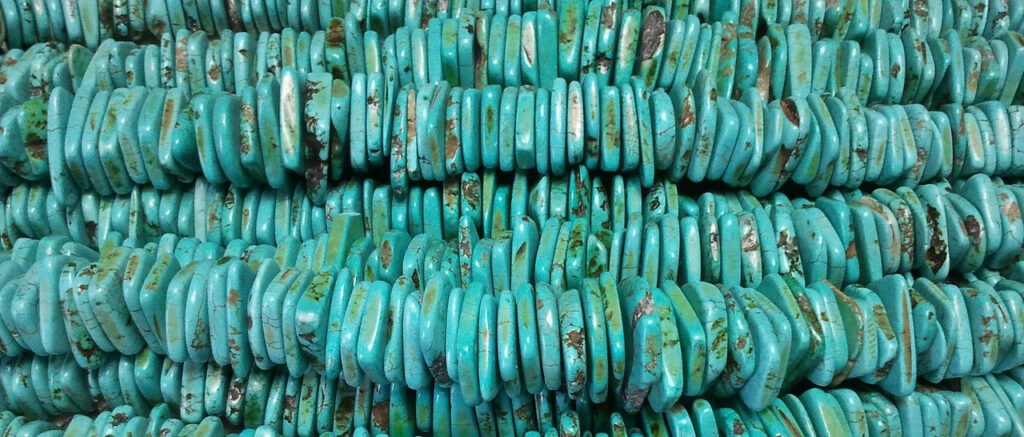
There’s a reason we went with a paper texture and kraft accents for this website. We wanted it to have a handmade feel as well as a recognizable look. If you work with marble, try a marbled background. If you work with clay, lean into a terra cotta color scheme. You can be subtle, but you can’t be bashful.
Amber Jean is a sculptor who works primarily with wood. Her website uses a wood grain frame. Before you ever see her artwork, you know what kind of work she produces.
3. Put your brand on everything
What we said about being bashful applies here, too. To successfully sell handmade items online, you need your business name to stick in vistors’ heads. More than that, you want them to associate your brand with your products. When designing an online artisan business, it’s vital that the brand is infused into the structure. That can mean having your logo in the corner of every page, but it should go further. Looking back to Unicorn Eclipse, the creators have their artwork on the header of each and every page as well.
A few things to avoid when designing your web-based artisan business
Now that you have the three main “do’s,” let’s get into a few “don’t’s.” When designing your web store…
4. Don’t put your visitors in a maze
This isn’t the time to get creative with navigation or site layout. Avoid the temptation of the sideways scroll bar. Make sure all of your site’s pages are visible in the main site navigation (use drop-down menus if you have a lot of sub-categories). You don’t want your visitors to spend any mental energy trying to find your products, their shopping cart, or important information like your privacy policy or contact methods. If you want to sell your handmade items online, make sure they’re easy to buy.
5. Don’t under-categorize
Group your products into as many different categories as they fit into, even if some of your product pages feel a little redundant. It’s unlikely that a visitor will sit down and click through every page, becoming annoyed at seeing the same products in multiple categories. What is likely is a visitor clicking on one category and missing a product they’d really like because it’s only listed on an overlapping page. Placing products in more than one category is one of the benefits of having an online artisan business, as opposed to a brick-and-mortar shop. Take advantage of it.
6. Don’t crowd your products
A best practice is to keep columns limited to three across and rows to around ten. If you have the ability to allow users to select how many items per page they want to see, that’s fine. But if not, let them click through multiple pages instead of scrolling endlessly.
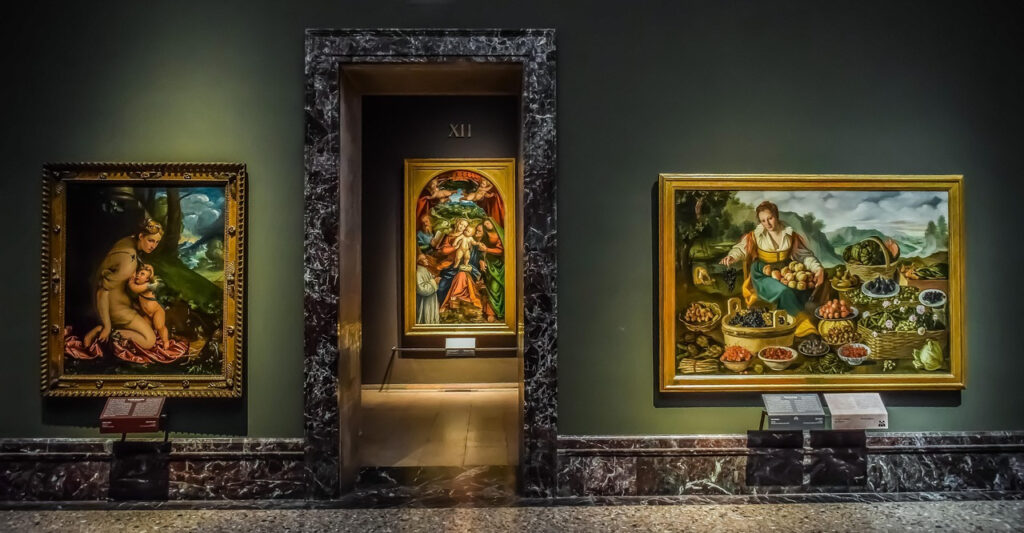
If you want a maximalist design, go for a patterned background, not a cluttered site. At the end of the day, designing an online shop is about presenting your products. A museum doesn’t cram everything it has into one room, or even one wing. It lets each room present enough artwork that it doesn’t overwhelm the visitor.
You’ve got good design sense. Trust it.
When you get right down to it, selling handmade items online is pretty similar to setting up your booth at a farmer’s market or craft show. You want your booth to be distinctive, easy to navigate, and pleasant to be in. You already have a good sense of design as a creator. So tip #7 is: Don’t shy away from your instincts for design just because you’re working in a different medium.
What tips would you add to this list? Let us know in the comments below!
In future posts, we’ll go into product layouts, shopping cart options, and visitor retention. To be notified when these posts are available, sign up for our mailing list.
We send out a weekly digest, so there’s no need to worry about irrelevant information clogging up your inbox.
Featured image by DenThemes Market
This blog was written by a human for We Are Seven without any input from generative AI. For permissions or questions, please contact us.


Leave a Reply